Your Most Expensive Post Is Probably Your Worst Performer
Your Most Expensive Post Is Probably Your Worst Performer
Let's start with something uncomfortable.
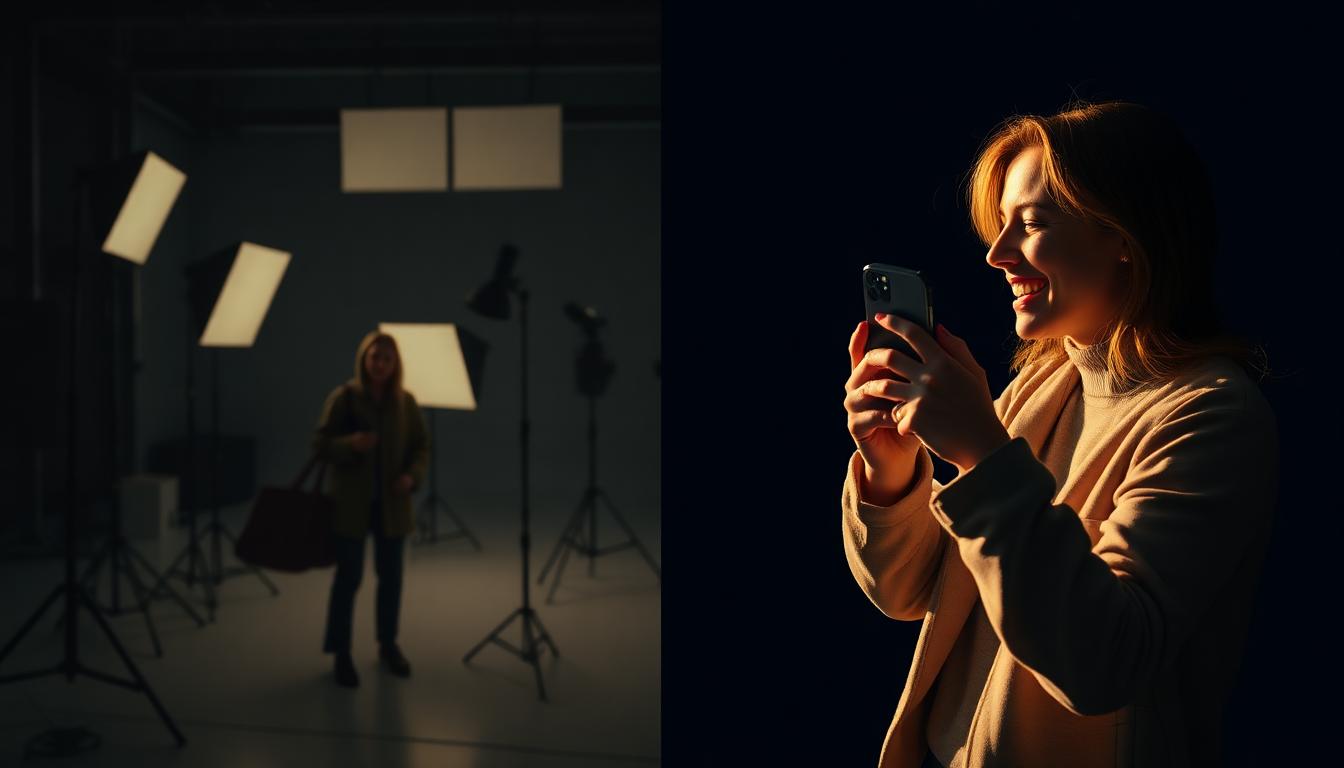
That branded shoot you spent three days planning, the one with the professional lighting and the carefully chosen props and the four rounds of copy revisions — there's a very good chance it got fewer saves, fewer shares, and less engagement than the video someone shot on their phone in a kitchen in thirty minutes.
This isn't speculation. It's what the data is showing, consistently, across platforms, right now in 2026.
And the brands still pouring budget into high-production social content while wondering why their numbers are flat? They're not behind because of budget. They're behind because they're solving the wrong problem.
What Actually Changed
Social media started as a place where people shared real moments. Then brands arrived, brought their agencies, and turned it into a broadcast channel. Perfectly art-directed. Carefully scheduled. Thoroughly lifeless.
For a while, it worked. Polish meant professionalism, and professionalism meant trust.
That contract has expired.
Sprout Social's research now shows that nearly one in three consumers skip Google entirely and start their search on TikTok, Instagram, or YouTube. For anyone under 30, that number exceeds 50%. Social platforms are no longer just entertainment channels. They are how people discover businesses, research decisions, and form opinions about brands. They have become the new search engine, and the new trust filter.
What people are searching for isn't your logo on a clean background. They're looking for evidence. They want to know who you actually are, whether you know what you're talking about, and whether other real people can vouch for you. Polished production does not answer any of those questions. Authentic, unscripted human content does.
The Algorithm Knows
Here's the part most businesses still don't realise: the platforms themselves have rewired their algorithms to favour real content over produced content.
Instagram's 2026 algorithm doesn't care how beautiful your post looks. It optimises for behaviour — saves, shares, comments, watch time, return visits. TikTok rewards participation, momentum, and relevance. Neither platform wants your television commercial. They want content that behaves like content, not like an ad.
And audiences feel the difference immediately. Research from The Brand Leader (February 2026) put it plainly: audiences are becoming more sensitive to content that feels manufactured. They can tell when something is generic. They can tell when there's no real perspective behind it. The technical term being used is "AI slop" — content that is smooth, competent, and completely empty. Audiences are rejecting it, and they're doing so at speed.
The brands winning right now? Angelo Castillo, creator of ProfitPlug, summed it up for Sprout Social: "Two extremes are doing well: raw, unedited yap videos and highly cinematic production-heavy content." The middle ground — the polished-but-hollow brand post — is where content goes to underperform.
This Is Not an Attack on Quality
Let's be precise here, because this point matters.
Raw does not mean sloppy. Authentic does not mean unprepared. And this is absolutely not an argument against using AI-generated visuals or high-production content entirely.
AI imagery and cinematic AI video have given small businesses access to brand-level visual production that would have cost tens of thousands a year ago. That is a genuine revolution, and it belongs in your toolkit — for campaigns, for product launches, for brand identity work, for paid advertising, and for content that needs to communicate sophistication or craft.
But your social media feed is not a campaign. It is a daily, ongoing conversation. And conversations don't perform well when they're scripted, lit, and colour-graded within an inch of their life.
The brands succeeding in 2026 are using both layers simultaneously. AI-quality visuals for brand assets and campaigns. Raw, human, real-time content for the daily feed. These are not in conflict. They serve different purposes, and understanding that distinction is the difference between a brand that looks good and a brand that actually builds trust.
What Raw Content Actually Looks Like
You don't need to post badly to post authentically. Here is what actually performs:
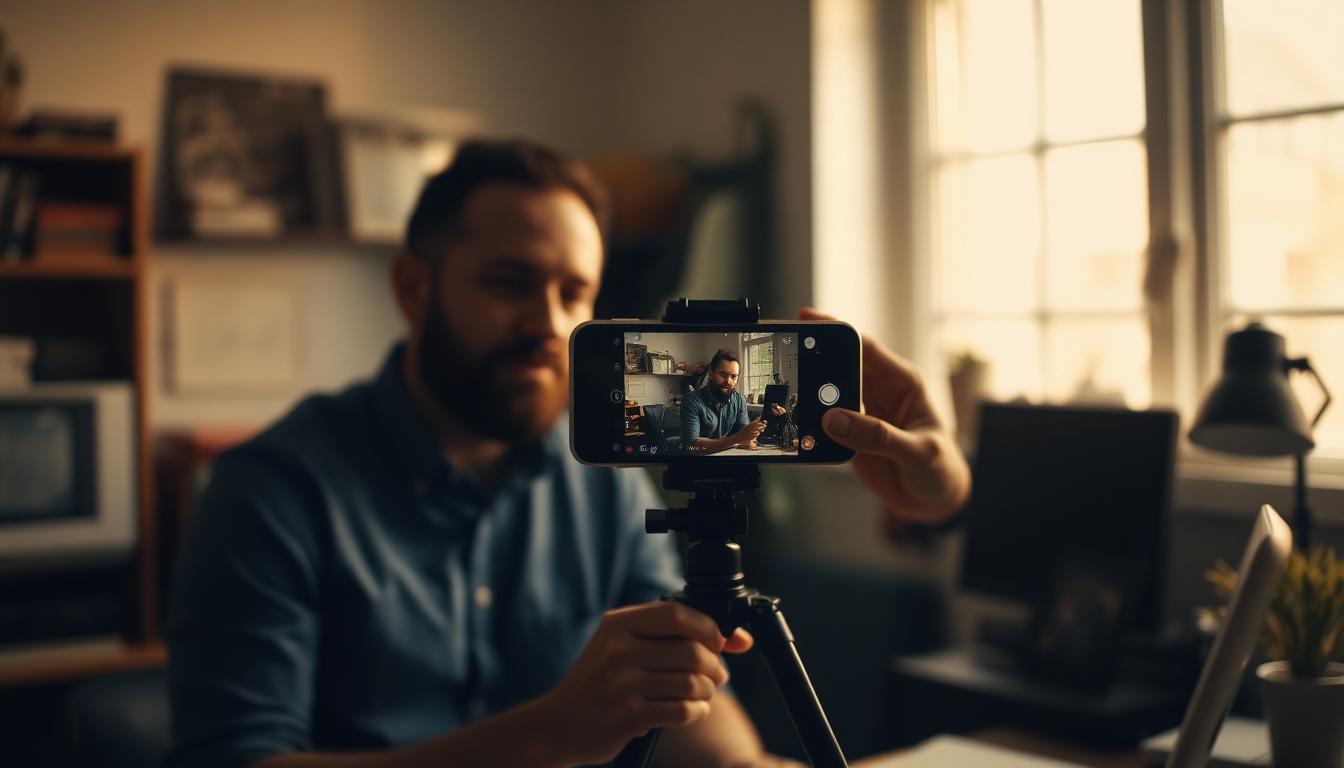
- Talking directly to camera, without a script, about something you genuinely know
- A founder sharing an opinion, a lesson learned, or a behind-the-scenes reality
- Footage that shows the process, not just the result
- Responding to a real customer question in video form
- Showing a mistake, a revision, an iteration
- Capturing a real moment that wasn't planned
The Shameless Media team in Australia built one of their most successful content series — "The Shoffice" — on nothing more than Office-style footage of their team at work. Unscripted, unpolished, completely real. It resonated because it had something a branded shoot never can: the feeling that you're watching something actually happen.
The Brasserie at Darleys, a restaurant in Derby, saw a single real post reach over 15,000 accounts organically, with zero paid promotion. Not because of what the post looked like. Because of what it communicated. Real food, real atmosphere, real people. The audience could feel it.
The Uncomfortable Truth About the Feed
Brands publishing 9.5 posts per day on average in 2024 (according to Sprout Social's Content Benchmarks Report) are not building audiences. They are producing content that no-one asked for, at a pace that guarantees mediocrity.
Social media fatigue is real. Users scroll faster past obvious brand content. They skip the ad. They save the real thing.
Greg Swan, Senior Partner at FINN Partners, asked the question every brand should sit with: "If your brand disappeared from social tomorrow, would anyone notice?"
If the honest answer is no, you are not building a community. You are maintaining a presence. And presence without purpose is invisible.
The shift that actually works is fewer posts, more intention, and a genuine human voice that people would miss if it went quiet.
What to Do Starting Today
You do not need a strategy overhaul. You need to change what you pick up when you decide to post.
Put down the brief and the brand guidelines. Pick up your phone. Think about the last genuinely interesting thing that happened in your business this week. The client who said something that made you think. The problem you solved in an unexpected way. The thing you got wrong and then fixed. The moment behind the result.
That is your content. That is what performs.
Use your AI tools for campaigns, for brand imagery, for the content that needs to communicate scale and quality. Use your actual voice, your actual face, and your actual experience for the daily feed. Give people a reason to come back because they want to know what you think next — not because your posts look nice in a grid.
Audiences in 2026 are not looking for perfection. They have access to infinite perfection. What they cannot get anywhere else is you.
A Final Note
The most expensive thing you can do on social media right now is keep paying for content that people don't trust.
The cheapest thing you can do is say something true, on camera, about something you actually know.
---
Want help building a social media strategy that blends authentic content with AI-powered brand visuals? Get in touch — we help brands find the right balance.