The Billion-Dollar Visual Advantage Just Became Free. Are You Still Looking Amateur?
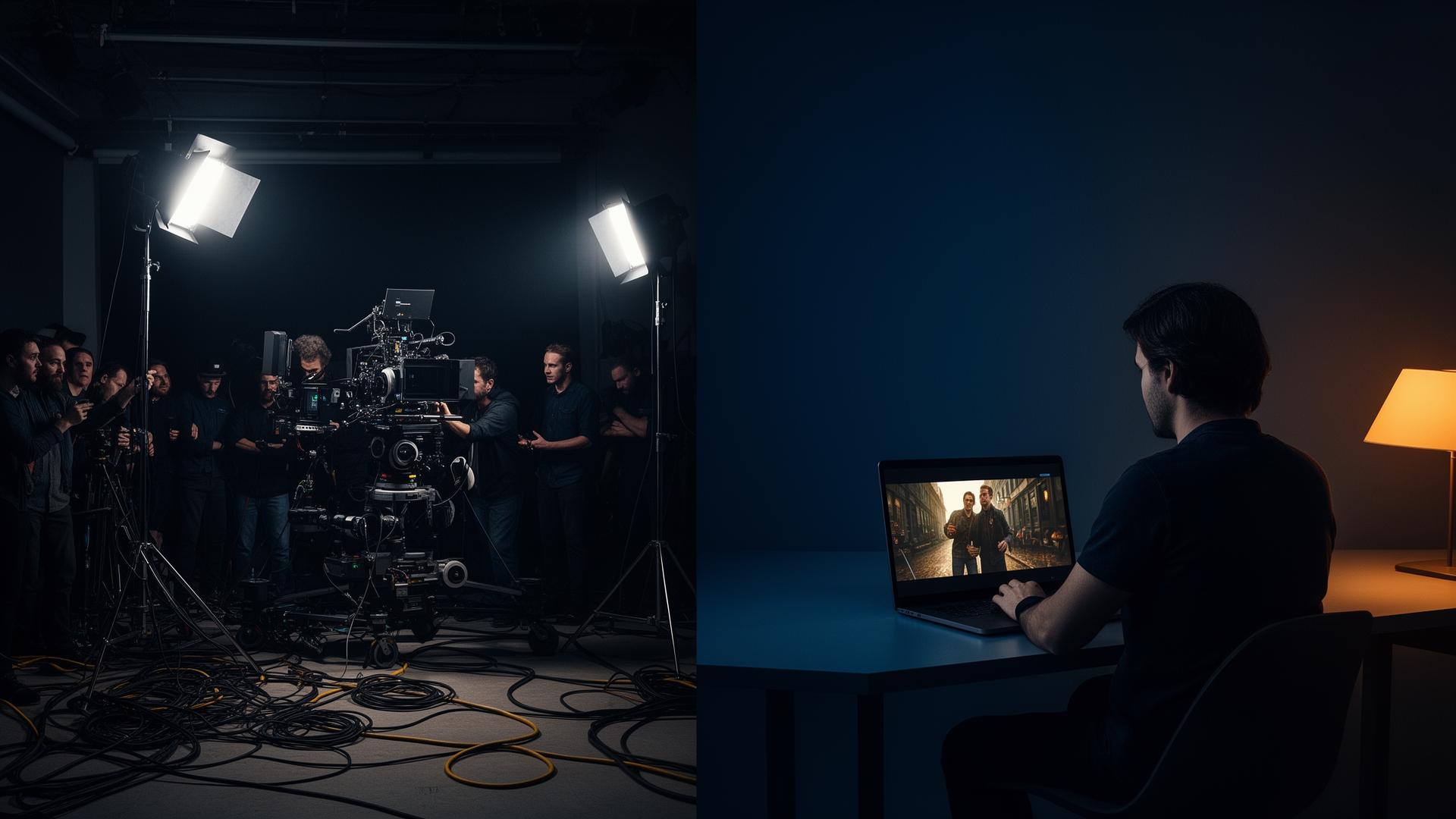
The Barrier That Protected the Powerful Just Collapsed
There is a moment in the history of every major industry where the barrier that protected the powerful suddenly collapses. Where the thing that separated the big from the small — the expensive from the affordable, the professional from the amateur — simply ceases to exist.
That moment just happened in visual marketing. And most business owners have absolutely no idea.
For one hundred years — from the first printed advertisement to the first television commercial to the first Instagram campaign — the quality of your brand's visual identity has been a direct function of your budget. Not your talent. Not your ideas. Not the quality of your product. Your budget.
Nike looks like Nike because they spend tens of millions of dollars making it look like that. A campaign for a global luxury brand costs more to produce in a single day than most small businesses turn over in a year. The gap between a world-class brand visual and a local business visual has never been about creativity. It has always been about access to the tools, the studios, the crews, the post-production pipelines, and the time that only serious money could buy.
That gap is gone.
Not reduced. Not narrowed. Not made more affordable. Gone.
As of right now — March 2026 — a business owner with a laptop, an internet connection, and a subscription that costs less per month than a round of drinks can produce product imagery, brand campaign visuals, and cinematic brand video that is genuinely, technically, measurably indistinguishable from content produced by the world's largest creative agencies with the world's largest budgets.
This is not hype. This is not approximation. This is the current, documented, verifiable state of AI visual generation technology — and it is the single most significant democratisation of creative power in the history of commercial marketing.
The question is no longer whether you can access these tools. The question is whether you're using them — or whether you're still looking amateur while your competitors quietly start looking global.
What Just Changed — And Why It Happened So Fast
The speed of this shift is what makes it difficult to process. Two years ago, AI-generated images were a curiosity — interesting experiments that a trained eye could spot instantly. Slightly wrong hands. Blurred backgrounds. That uncanny feeling that something was off.
That era is over with a completeness that should stop you in your tracks.
The models that exist right now — in February and March 2026 — are not improvements on what came before. They are categorically different systems operating at a fundamentally different level of capability. And the pace of development is not slowing down. Every month brings releases that would have seemed impossible the year before.
The Image Generation Tools That Exist Right Now
Nano Banana Pro & Nano Banana 2 (Google)
Google's Nano Banana Pro — built on the Gemini 3 architecture — was already being called the most capable AI image generator ever released when Nano Banana 2 dropped literally two days ago on 26th February 2026. The new model combines the Pro's quality with significantly faster generation speeds. It produces 4K resolution images with accurate text rendering, can work from multiple reference images simultaneously, and integrates web search to ensure factual accuracy in visual content. Wired called it "a total gamechanger." The Google Blog described it as the ability to "turn your visions into studio-quality designs with unprecedented control."
What this means in practice: you can generate a product campaign image at 4K resolution — indistinguishable from a professional studio shoot — in seconds. From a text prompt. For free inside Google's tools or at minimal cost via API.
Midjourney
Still the benchmark for artistic quality and brand aesthetics. If you want visuals that have genuine creative personality — a consistent mood, a distinctive colour world, a sense of visual authorship — Midjourney remains the tool that professional designers reach for first. It doesn't prioritise photorealism above all else. It prioritises beauty. For brand identity work, campaign visuals, and anything where the feeling of an image matters as much as its technical accuracy, nothing else consistently matches it.
Flux 2 Pro
Built for creators who want control over style. Where other models prioritise realism, Flux 2 Pro prioritises personality. It handles stylised compositions, brand-specific aesthetics, and abstract creative directions better than most. If you want visuals that feel like they have a distinct point of view rather than a polished stock photo, Flux 2 Pro is the model that listens to the nuance of your prompt most faithfully.
Seedream 4.5 & 5.0 (ByteDance)
ByteDance — the company behind TikTok — has quietly built one of the most capable image generation stacks on the planet. Seedream 4.5 delivers exceptional quality at very high speed, making it the practical choice for businesses producing large volumes of visual content regularly. Seedream 5.0 Lite, released in February 2026, adds multimodal capabilities — it can reason about images, not just generate them. For e-commerce brands producing product variations, social content at scale, or regular marketing assets, Seedream is currently the most efficient tool in the market.
GPT Image 1.5 (OpenAI)
Not just an image generator — a visual reasoning system. It combines image generation with genuine contextual understanding, allowing complex editing workflows, multi-step transformations, and modifications that understand what you're trying to achieve rather than just executing instructions literally. For businesses that need to adapt, refine, and evolve visual assets rather than simply create new ones, GPT Image 1.5 adds a layer of intelligence that purely generative models cannot match.
The Video Generation Tools That Exist Right Now
If the image generation story is remarkable, the video generation story is something else entirely.
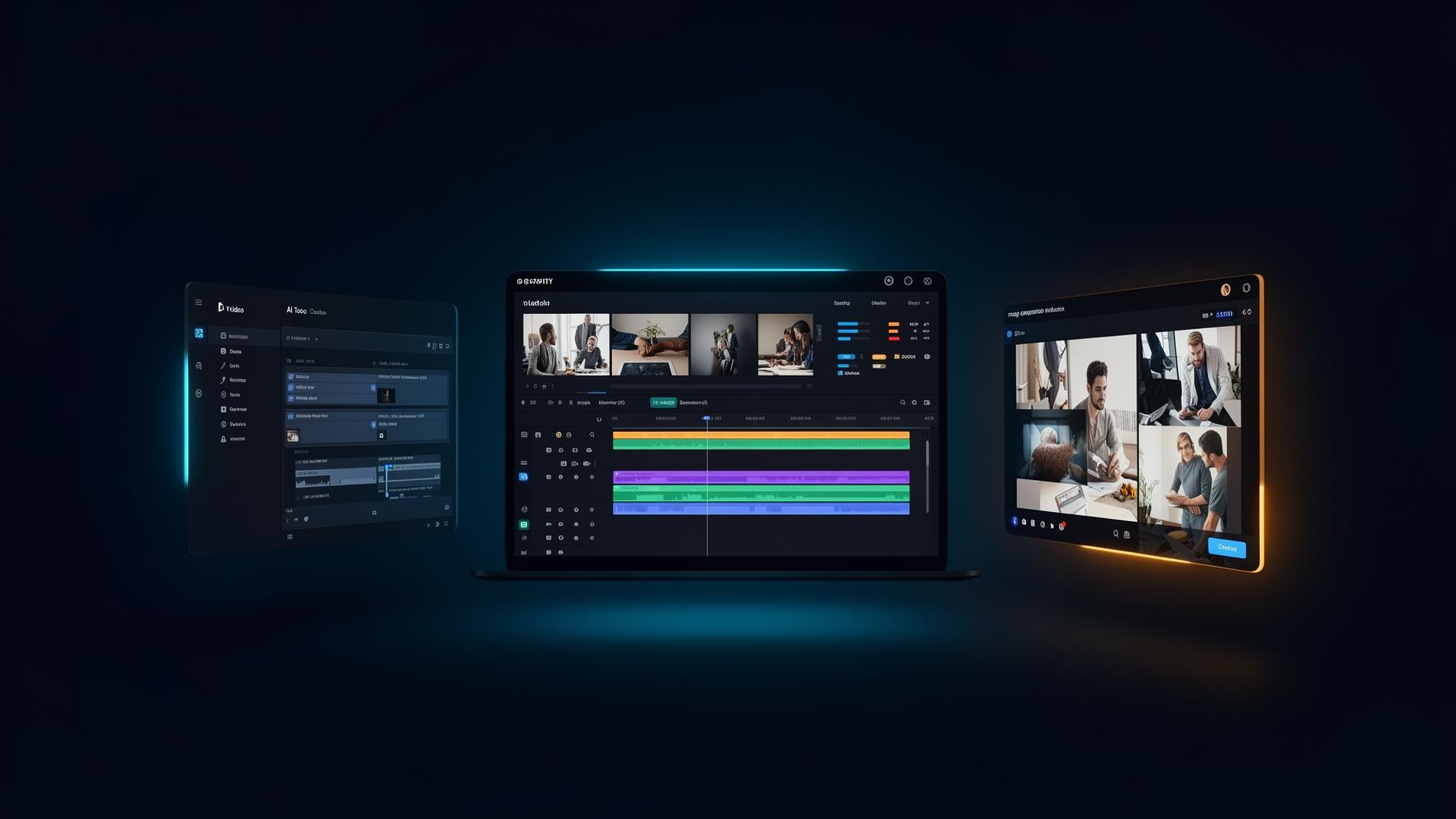
Traditional video production costs between $5,000 and $20,000 per project at the lower end — and that's before you factor in talent, locations, equipment hire, directing, editing, and post-production. A properly produced brand campaign video from a credible production company starts at $20,000 and scales upward without a visible ceiling.
A LinkedIn post from a senior production professional in May 2025 stated it plainly: "AI video tools are slashing commercial production costs by up to 90%. What used to require $100K+ budgets can now be done for under $1,000."
That was nine months ago. The tools have advanced significantly since then.
Kling 3.0 (Kuaishou)
Reviewed by multiple independent professionals as the best general-purpose AI video model on the market right now. Kling 3.0 generates clips up to 15 seconds in native 4K at 30fps from text prompts or image references. It includes native audio generation, lip sync capabilities, and — the feature that separates it from everything before it — multi-shot storyboarding with up to 6 distinct camera cuts in a single generation, each with customisable duration, shot size, and camera movement.
In plain terms: you can generate a multi-scene brand video with professional cinematography, natural camera transitions, and audio from a written description.
Google Veo 3.1
Built for cinematic accuracy above all else. Veo 3.1 produces videos with coherent motion, natural lighting behaviour, accurate depth simulation, and spatial precision that holds up at broadcast production level. When the visual output needs to be genuinely premium — think brand storytelling, product launch cinematics, campaign hero videos — Veo 3.1 is where the ceiling is highest for photorealistic quality.
Seedance 2.0 (ByteDance)
Released February 2026. Described by the BBC as "sending Hollywood into a panic." Seedance 2.0 generates cinema-quality video complete with sound effects and dialogue from text prompts, using images, audio, and video references to give creators full control over performance, lighting, and environment. ByteDance has effectively built a full film production pipeline that anyone can access.
Sora 2 Pro (OpenAI)
The tool for narrative complexity. Where other models begin to fall apart when multiple characters, environments, and camera movements interact simultaneously, Sora 2 Pro maintains coherence across complex multi-element scenes. For brand storytelling with depth, characters, and emotional arc, Sora 2 Pro is the model built for that creative ambition.
Runway Gen-4.5
The professional's editing tool. Beyond generation, Runway excels at extending existing footage, modifying shots, replacing elements within video, and integrating AI-generated content with traditionally filmed material. For brands that have existing video assets and want to extend, enhance, or repurpose them, Runway sits in a category of its own.
What This Actually Costs
Let's be completely direct about the numbers, because this is where the reality of what has changed becomes impossible to ignore.
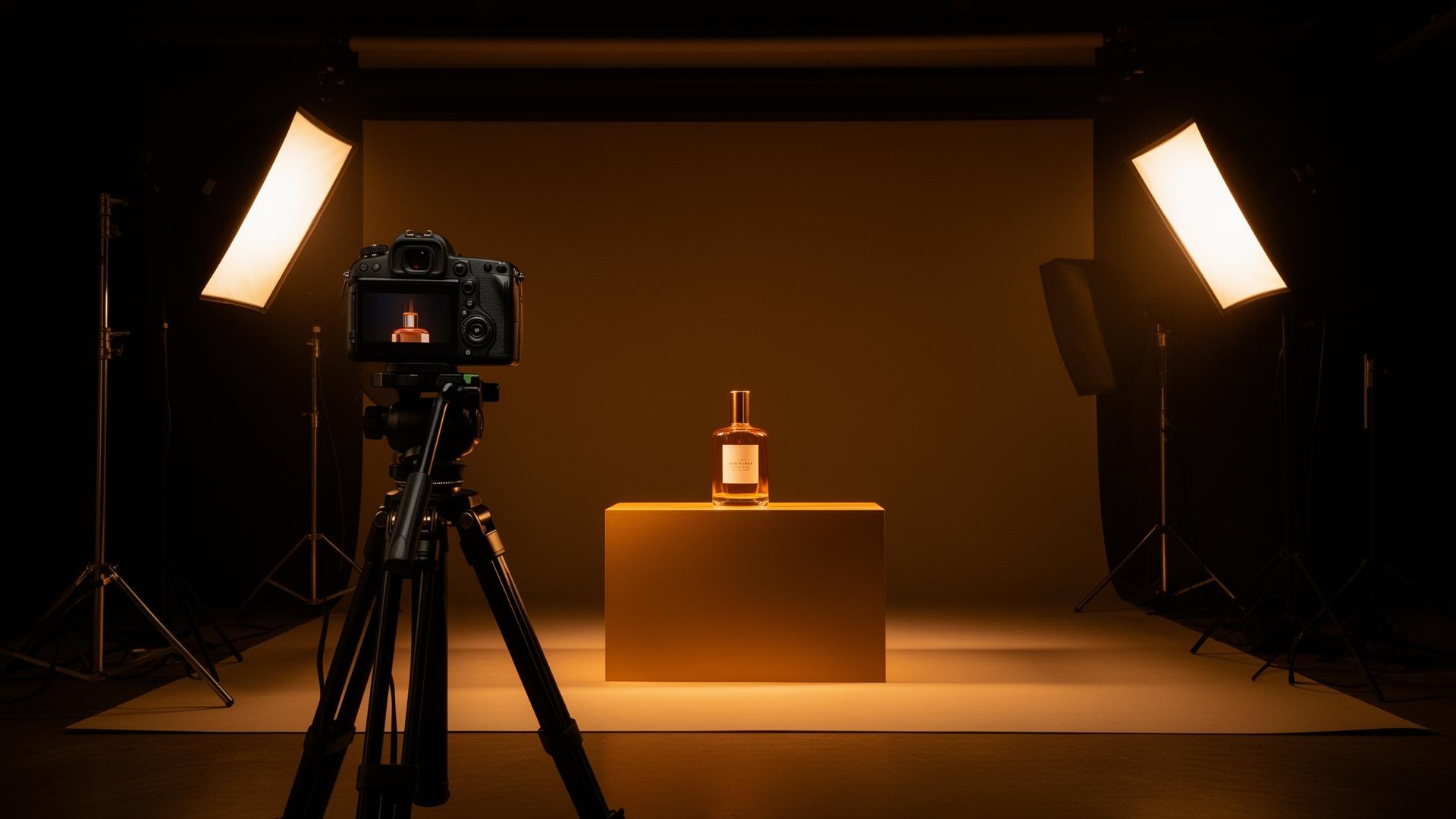
A traditional product photoshoot costs between $2,500 and $5,000 per session. Add location, styling, talent, and post-production and that number climbs quickly. A traditional brand video production starts at $5,000 to $20,000 for anything credible, takes weeks from brief to delivery, and requires coordinating photographers, directors, editors, sound designers, and production companies.
Now here's the other side of that comparison:
- Nano Banana 2: Free within Google's tools. API access at minimal per-image cost.
- Midjourney: $10–$60 per month. Unlimited image generation at the standard tier.
- Kling 3.0: Free to start. Professional tier with 4K output available at modest monthly subscription.
- Google Veo 3.1: Per-second pricing that makes a 15-second brand video cost pennies in compute.
- Seedance 2.0: Subscription model with accessible launch pricing.
The total monthly cost of accessing every major AI image and video generation tool simultaneously is comfortably under $200 per month. The production budget those tools replace runs to tens of thousands of dollars per month.
No business owner who understands these numbers should be producing amateur-looking content in 2026. The cost barrier that made amateur look inevitable has been removed entirely.
The Honest Part — What This Doesn't Replace
It would be dishonest to present this as effortless magic that requires nothing of you, so let's be straight.
These tools are extraordinarily capable. They are not autonomous. The quality of the output is still a direct function of the quality of the creative direction going in. A poor prompt produces a mediocre image at 4K resolution. A thoughtful, specific, strategically informed prompt produces something exceptional.
The skill that the professional photographer spent years developing — understanding light, composition, mood, narrative, the relationship between visual elements — doesn't disappear in importance. It shifts. It moves from executing the shot to directing the generation. The creative director is more important than ever. The camera operator is less relevant.
The tools gave everyone access to a world-class studio. You still need to know what you want to shoot.
What This Means for Your Brand Right Now
Here is the practical implication that every business owner reading this needs to sit with.
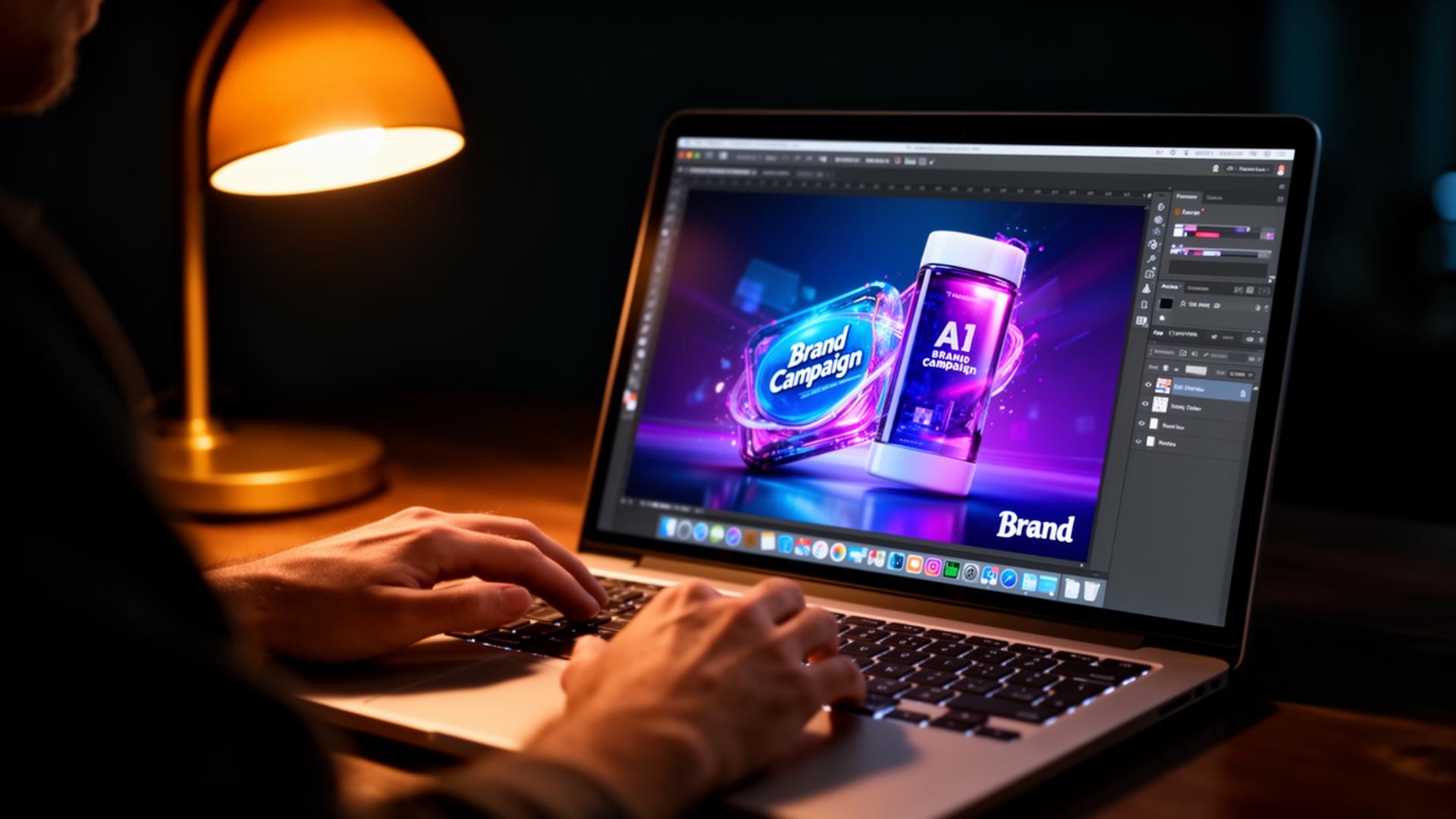
Your competitors — at least some of them — already know this. They are producing content right now that looks like it cost ten times what it actually did. Their social media looks like a global brand. Their product visuals look like a studio campaign. Their brand videos look cinematic. And they spent less on all of it than you might spend on a single traditional photoshoot.
The visual gap that you might have accepted as a natural function of your size and budget — "we're a small business, we can't look like Nike" — is no longer a gap that budget creates. It is a gap that knowledge and action create.
- If your Instagram still looks like it was photographed on a phone in bad lighting, that is a choice now. Not a limitation.
- If your website still uses generic stock photography, that is a choice now. Not a constraint.
- If you've never produced a brand video because you assumed you couldn't afford it — there are businesses smaller than yours producing cinematic brand content this week for less than £100.
Where to Actually Start
If you're new to these tools, the learning curve is real but manageable. Here is the most direct path from zero to producing professional-quality visual content:
Start with Midjourney for brand imagery. Sign up at midjourney.com, join their Discord, and spend a week learning how to write prompts that produce consistent results. The starting subscription is $10 per month. The output — when directed well — is genuinely indistinguishable from professional commercial photography for most use cases.
Add Kling 3.0 for video. Access it directly at klingai.com or through platforms that offer unlimited access to test it properly before committing. Generate short brand clips from your best Midjourney images using image-to-video mode. The result — a polished, cinematic, 4K brand video from your own visual assets — is the kind of content that previously required a production company and a significant budget.
Explore Nano Banana 2 for product-accurate commercial imagery. It is built for precision — if you need an image to match a specific brief rather than interpret it creatively, Nano Banana 2 is the tool that delivers the most reliable commercial-quality output right now.
As your confidence grows, start combining them. Generate a base image in Midjourney for its visual character. Refine the composition and accuracy in Nano Banana. Animate it in Kling. Add audio in Seedance. You now have a complete production pipeline that, 18 months ago, would have required a team of specialists and a budget that most businesses could not justify.
Today it requires an afternoon and less than £50.
One Final Thought
We are living through the first moment in the entire history of commercial marketing where the visual quality of a brand's output is genuinely independent of its budget. Not approximately independent. Not mostly independent. Completely independent.
The implications of that are still working their way through every industry, every market, every competitive landscape. The brands that understand what just happened and act on it immediately will look back on this period as the moment they stopped looking like what they were and started looking like what they wanted to become.
The brands that don't will look back and wonder why they kept losing ground to competitors they used to dismiss.
The tools exist. They are here. They cost almost nothing.
What you do with that is entirely up to you.
---
Wonder Works Design uses AI image and video tools as a core part of every project — from brand identity to social media campaigns. If you want to see what these tools can do for your business, the consultation is free and there's no obligation.