Why Your "Frankenstein" Business is Leaking Money (And How to Fix It)
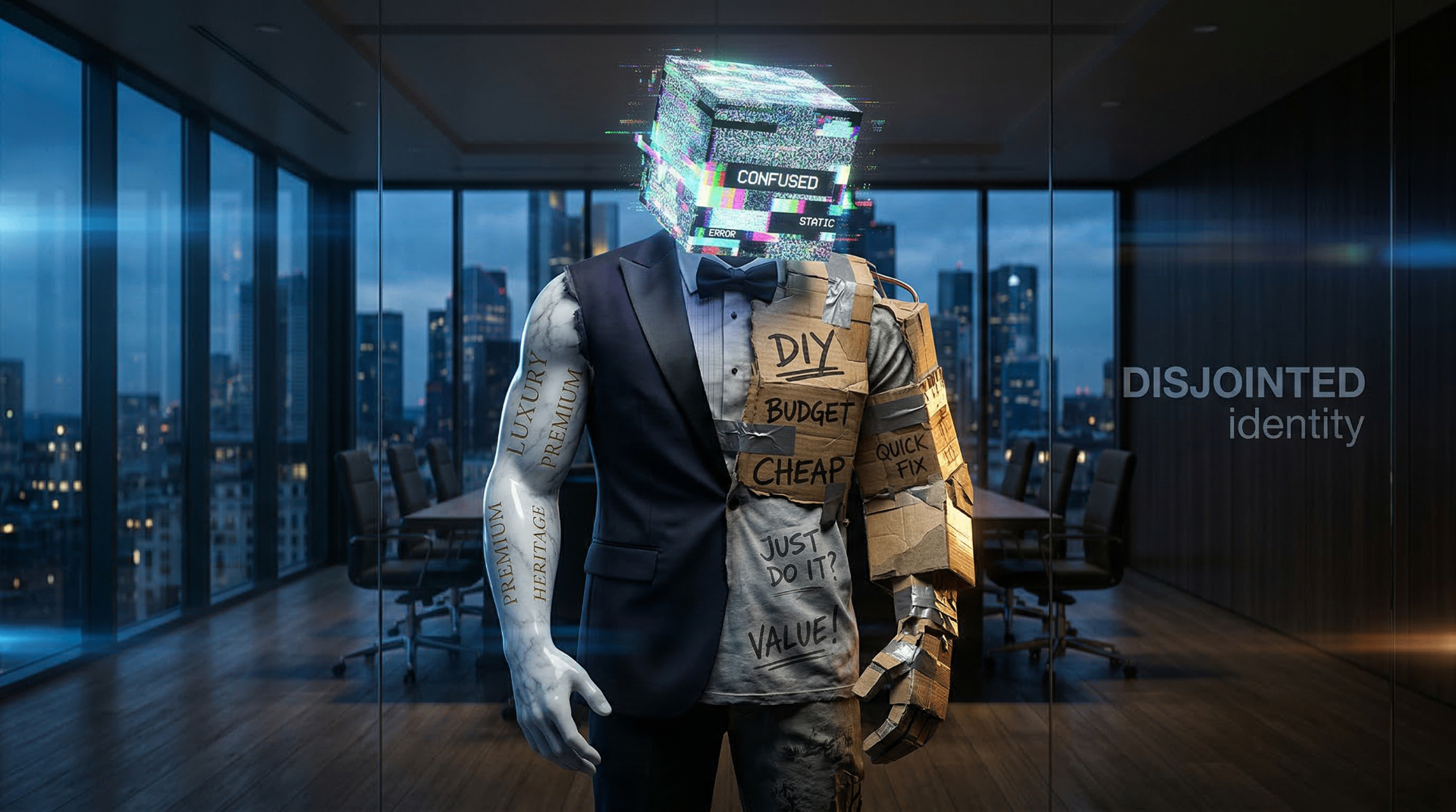
The hidden cost of disjointed branding, supported by data.
By Colin Rooney | Ops Strategist @ Wonderworks
---
We need to talk about the "Frankenstein" in the room.
You know the business I'm talking about. Maybe you've seen one. Maybe, just maybe, you are one.
It starts innocently enough. You need a logo, so you hire a guy on Fiverr for €50. Then you need a website, so you use a template on Wix or Squarespace. Then you need social media, so you ask your cousin (who "knows Instagram") to post a few Canva graphics.
Individually, these decisions seem smart. You saved money. You got it done.
But collectively? You have built a monster.
Your logo says "Luxury." Your website says "DIY." Your Instagram says "Confused." And your customer? They just say "Goodbye."
At Wonderworks, we call this the Frankenstein Effect. It's what happens when you stitch a business together from mismatched parts. And while it might look "okay" to you, the data says it is costing you a fortune.
Here is the hard science on why disjointed branding is a revenue killer.
---
1. The 50-Millisecond Verdict (The Science of First Impressions)
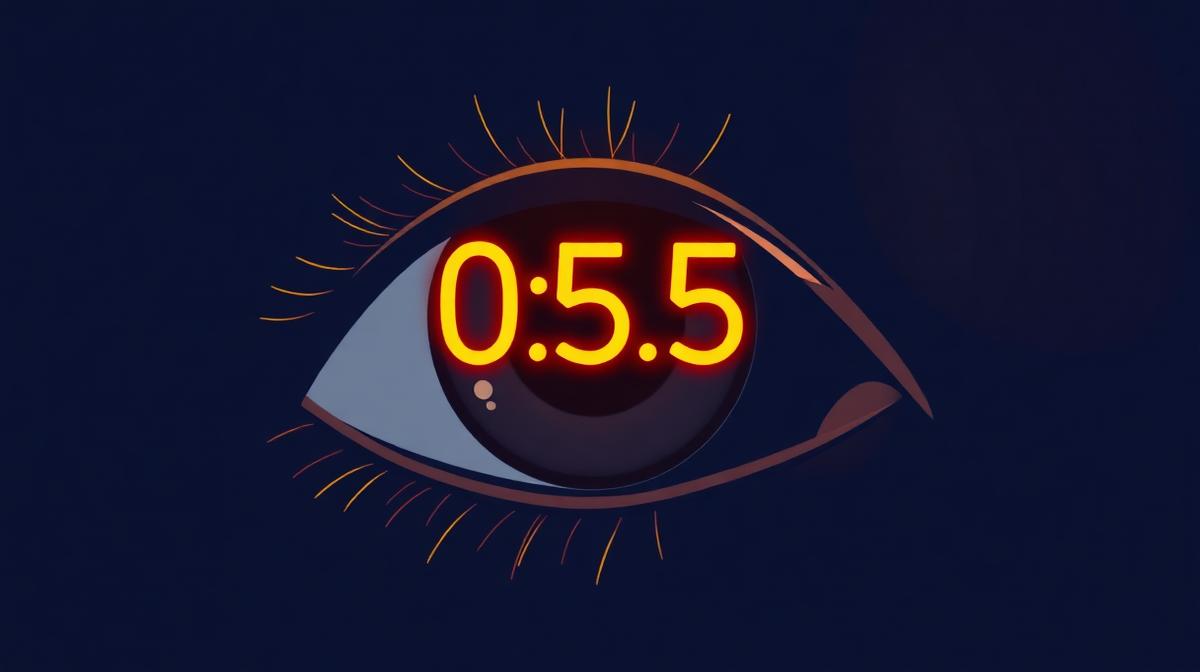
!Human eye with timer representing the 50-millisecond first impression judgment
I'm an Operations guy. I like efficiency. But the human brain is the most efficient machine on earth, and it is ruthless.
According to research published in Behavior & Information Technology, it takes users about 0.05 seconds (50 milliseconds) to form an opinion about your website that determines whether they'll stay or leave.
> Source: Google/Taylor & Francis Study
That is faster than the blink of an eye.
If your Instagram post promised a "World-Class Experience," but your website takes 4 seconds to load or looks like a template from 2015, the brain spots the lie instantly. It's called cognitive dissonance. The brain says: "These two things don't match. This is risky. I'm out."
The Lesson: You don't lose customers because your product is bad. You lose them because your ecosystem is inconsistent.
---
2. The "Consistency Tax" (The 33% Rule)
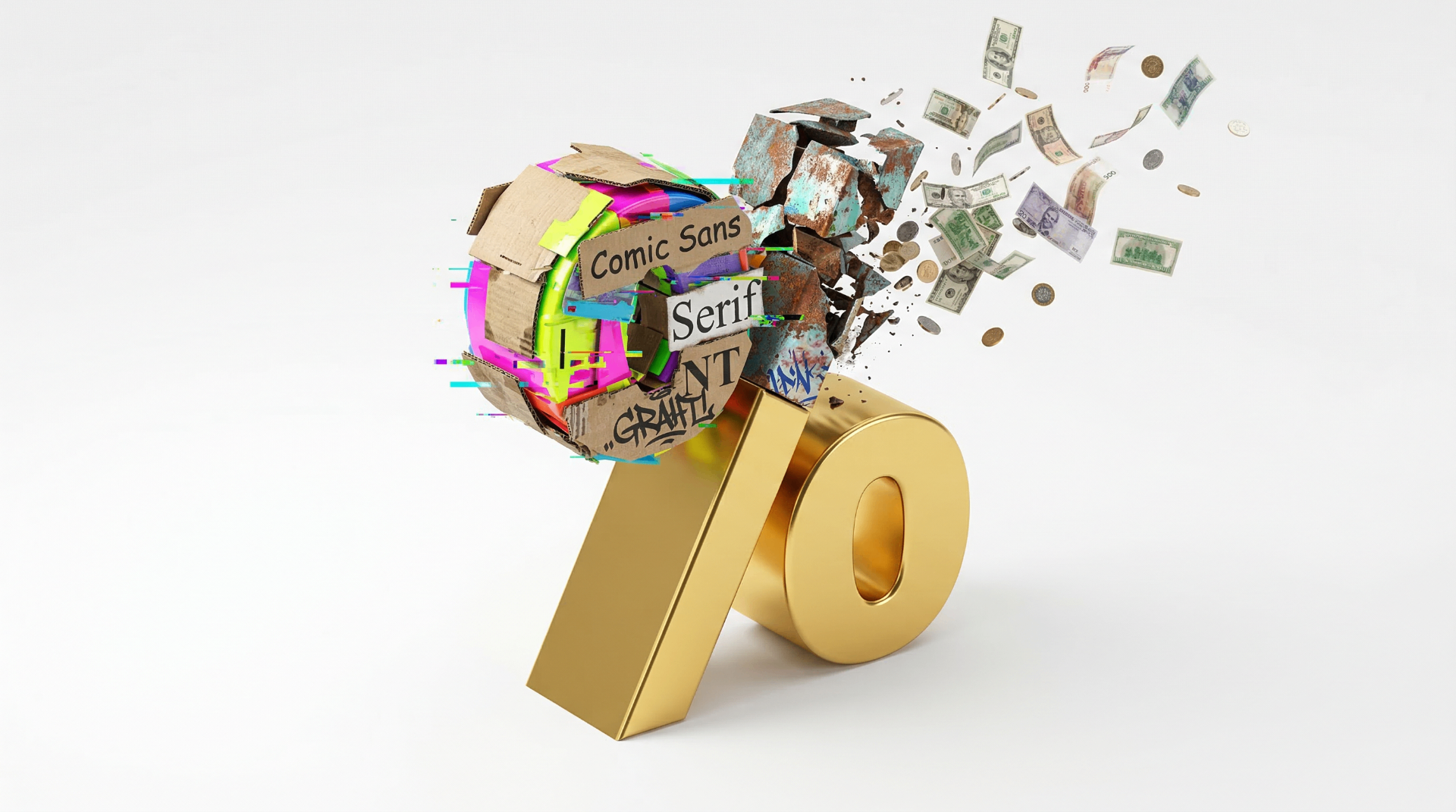
!Bar chart showing 33% revenue increase from brand consistency
"Branding" often feels like a fluffy word used by agencies to charge you more money. But let's look at the P&L impact.
A comprehensive study by Marq (formerly Lucidpress) surveyed over 400 organizations and found that consistent branding across all channels increases revenue by up to 33%.
> Source: Marq Brand Consistency Report
Think about that. If your business is turning over €100k a year, you are potentially leaving €33k on the table simply because your fonts, voice, and user experience don't match up.
Why? Trust. In an era of AI scams and infinite options, consistency is the proxy for reliability. If you can't keep your fonts straight, why should I trust you to manage my accounts, cook my food, or build my house?
---
3. The "One Strike" Policy (The Cost of Bad UX)
!Broken chain and puzzle pieces representing a broken customer journey
This is where my F&B background kicks in. In a restaurant, if the food is great but the service is slow, you might forgive us. But in digital? There is no forgiveness.
According to PWC's Future of Customer Experience report, 32% of all customers would stop doing business with a brand they loved after just one bad experience.
> Source: PWC Customer Experience Report
This is where the "Frankenstein" model fails hardest.
1. Your social media guy posts a great offer. (Great!) 2. The customer clicks the link. 3. The website (built by someone else) has a broken booking form. 4. Game Over.
You paid for the attention, you earned the click, and you lost the sale because the left hand didn't talk to the right hand.
---
Stop Stitching. Start Building.
I share these stats not to scare you, but to validate what you probably already feel: It is exhausting trying to manage five different freelancers.
The solution isn't to hire "better" freelancers. The solution is to stop treating your business like a patchwork quilt.
Your brand identity, your website, your technology, and your content are not separate things. They are organs of the same body. They need to share the same DNA.
At Wonderworks, Neli and I don't build "parts." We build Ecosystems.
- We design the Brand (The Face).
- We build the Website (The Body).
- We map the Strategy (The Brain).
- We align the Content (The Voice).
We do it all in-house, ensuring that the promise you make on Instagram is the same promise you keep on your checkout page.
If you are tired of managing the monster, maybe it's time to build something human.
---
Ready to fix the disconnect?
🚀 Starting from scratch? Check out The Launchpad →
🔧 Fixing a mess? Check out The Transformation →